
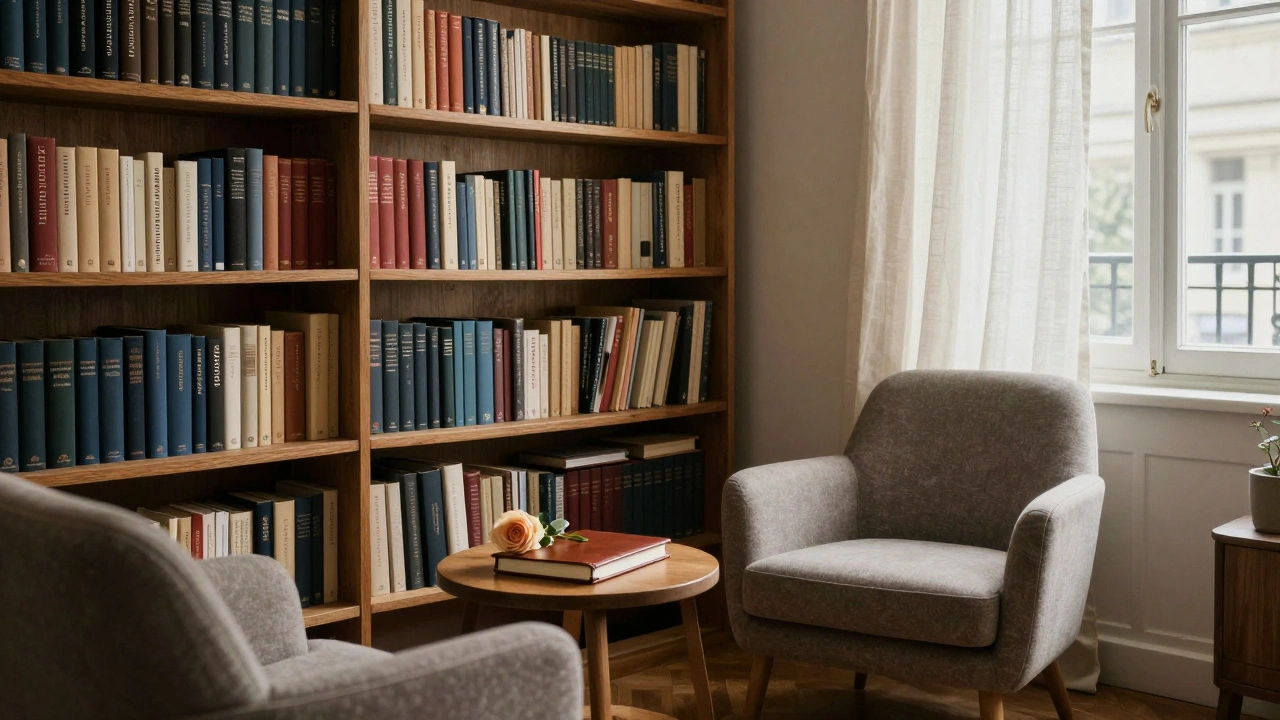
In Paris, where the scent of fresh baguettes mingles with the quiet hum of therapy offices in the 6th arrondissement, conversations about desire are no longer whispered behind closed doors. For decades, French sexologists have led the world in approaching fetishes not as pathologies, but as natural expressions of human sexuality-rooted in personal history, cultural nuance, and emotional truth. Unlike approaches that pathologize or rush to 'fix' unusual desires, the French model listens first, understands deeply, and intervenes only when distress arises. This isn’t just academic theory. It’s practiced daily in clinics near Place du Châtelet, in private practices above bookshops in Saint-Germain-des-Prés, and in the quiet corridors of the Institut de Sexologie at the University of Paris Cité.
What Makes French Sexology Different?
French sexologists don’t treat fetishes like symptoms to be cured. They treat them like stories to be read. A man who finds arousal in leather gloves? A woman who feels most herself when wearing vintage stockings from a 1950s Parisian boutique? These aren’t oddities to be corrected. They’re anchors-points of identity, comfort, or even healing.
The foundation comes from pioneers like Dr. Serge Hébrard, who in the 1970s challenged the medical model that labeled all non-normative desires as disorders. Instead, he argued that fetishism often emerges from early sensory experiences-perhaps the smell of a parent’s perfume during a moment of safety, or the texture of silk against skin during a childhood memory. In Paris, therapists still use this framework: no judgment, no rush. Just curiosity.
Compare this to other countries where therapists might push for 'normalization' or use cognitive behavioral techniques to reduce arousal patterns. In France, the goal is integration. Can this desire coexist with your relationships, your self-image, your peace of mind? If yes, then it’s not a problem. It’s part of you.
How Therapy Actually Works in Paris
Therapy sessions in Paris rarely look like what you’d see on American TV. There’s no checklist of 'normal' sexual behaviors. No forced exposure therapy. No pressure to disclose every detail on the first visit.
Instead, sessions often begin with a simple question: What does this desire give you that nothing else can?
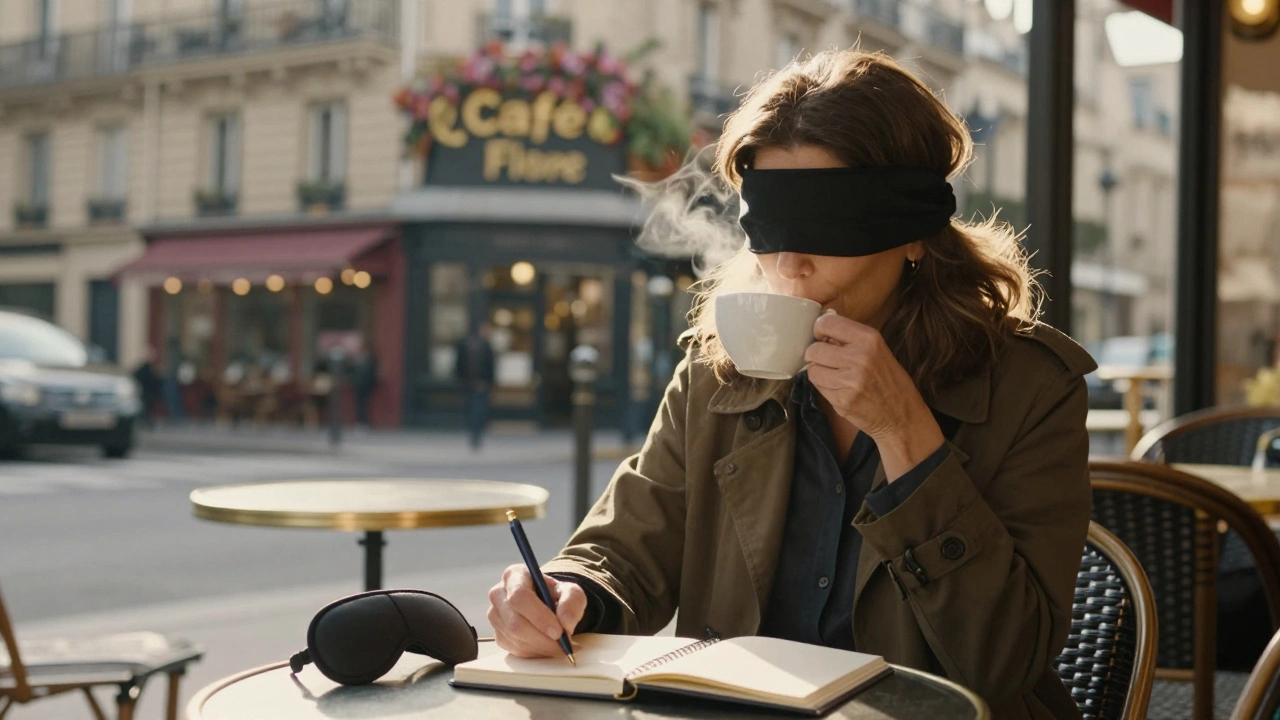
A woman in her 40s, a museum curator from Montmartre, came in because her partner didn’t understand her need to be blindfolded during intimacy. After three sessions, they discovered the blindfold wasn’t about control-it was about reclaiming the feeling of safety she’d lost after her mother’s sudden death. The darkness reminded her of being tucked in as a child. Her therapist didn’t try to eliminate the fetish. They helped her communicate its emotional meaning to her partner. Two years later, they still use it-on Sundays, after coffee at La Café de Flore.
Therapists in Paris often recommend keeping a ‘desire journal’-not to track frequency, but to note context: where you were, what you were feeling, what music played, even the weather. One client, a software engineer from the 13th arrondissement, realized his fascination with high heels began the day he saw a woman in a red heel walking through the Luxembourg Gardens while he was grieving his father. The image stuck-not because it was sexual, but because it felt alive.
Where to Find Help in Paris
Paris has more than 40 certified sexologists, many of whom specialize in fetish-related concerns. You won’t find them advertising on billboards. Most work through referrals, discreet websites, or connections with psychologists at the Centre de Recherche en Sexologie at Paris Cité University. Some are affiliated with La Maison des Femmes in the 13th, a women’s health hub offering sliding-scale therapy.
For men, Le Cabinet du Dr. Léa Moreau in the 15th is known for its quiet, book-lined office and no-pressure approach. For non-French speakers, Sexuality & Intimacy Paris offers sessions in English, German, and Spanish, with therapists trained in both French and Anglo-American models.
There’s also Les Ateliers du Corps, a monthly group in the 11th arrondissement where people explore embodiment through movement, art, and talk-no nudity, no pressure. It’s not therapy, but it’s often the first step before someone seeks individual counseling.
Why Parisians Are More Open About Desire
Paris isn’t just the city of love-it’s the city of nuanced intimacy. French culture doesn’t shy away from sexuality; it just refuses to reduce it to performance or consumption. You’ll see this in the way erotic art hangs in the Musée d’Orsay beside Impressionist masterpieces. In the way lingerie brands like Chantelle and La Perla Paris market their products as art, not just arousal tools.
Even the legal system reflects this attitude. France decriminalized consensual adult fetishes in 1981, long before many other countries. The law doesn’t define what’s ‘normal’-it only protects against coercion, harm, or public disturbance. As long as it’s private, consensual, and doesn’t involve minors, the state doesn’t interfere.
This cultural freedom doesn’t mean everyone is open about their desires. Many still fear judgment. But the difference is, in Paris, there’s now a clear path to understanding-not shame.
Common Myths About Fetish Therapy in France
Myth 1: Therapists will try to make you ‘normal’. False. French sexologists rarely aim to change desire. They aim to reduce suffering. If your fetish brings joy and doesn’t hurt anyone, they’ll help you protect that.
Myth 2: It’s only for people with extreme interests. No. Many clients come in because they feel guilty for liking socks, or being turned on by the sound of rain, or needing to hear a specific phrase whispered. These are not extremes. They’re human.
Myth 3: French therapy is all talk, no action. Not true. Some therapists use somatic techniques-breathwork, body mapping, touch exercises-done with consent and boundaries. One therapist in the 18th arrondissement uses scent therapy: helping clients connect their fetish to a calming aroma, like lavender from Provence or the faint musk of old books from Shakespeare and Company.

What to Expect in Your First Session
You don’t need to prepare a script. You don’t need to justify yourself. Most therapists in Paris will start by asking:
- When did you first notice this desire?
- What emotion does it bring up-comfort? power? calm? escape?
- Has it ever caused you shame or isolation?
- Is there someone in your life who knows about it?
That’s it. No graphs. No diagnoses. No pressure to label yourself. The session lasts 50 minutes. The cost? Between €80 and €120, depending on the therapist’s experience. Some accept partial reimbursement through French health insurance (Sécurité Sociale) if referred by a GP.
Many people leave their first session feeling lighter-not because their desire changed, but because they were finally heard.
How to Know If You Need Help
You don’t need therapy because you have a fetish. You need therapy if:
- You hide it so completely it’s affecting your relationships
- You feel shame every time you think about it
- You’ve tried to stop it and it’s causing anxiety or depression
- You’re afraid someone will find out and you’ll lose everything
If none of those apply? Then you’re not broken. You’re just human-and Paris has therapists who’ve seen it all and still believe in your right to feel whole.
Resources for Parisians
- Centre de Recherche en Sexologie - University of Paris Cité - Offers free workshops on desire and identity
- Les Ateliers du Corps - Monthly group in the 11th - Focus on embodiment and self-expression
- La Maison des Femmes - Sliding-scale therapy for women and non-binary people
- Sexuality & Intimacy Paris - English-friendly therapists, online and in-person
- Le Cabinet du Dr. Léa Moreau - Specialized in fetish and kink-inclusive therapy
Paris has always been a city of secrets. But now, it’s also becoming a city where secrets can be held without breaking you.