
In Paris, the rhythm of romance has always been tied to the city’s streets, cafés, and hidden courtyards. But how people find casual connections has changed dramatically-from handwritten ads in Le Petit Journal to swiping left on apps in a Montmartre bar. What once required courage and a pen in the metro has become a tap on a screen while waiting for a métro train at République.
Paris Classifieds: The Old-School Way to Connect
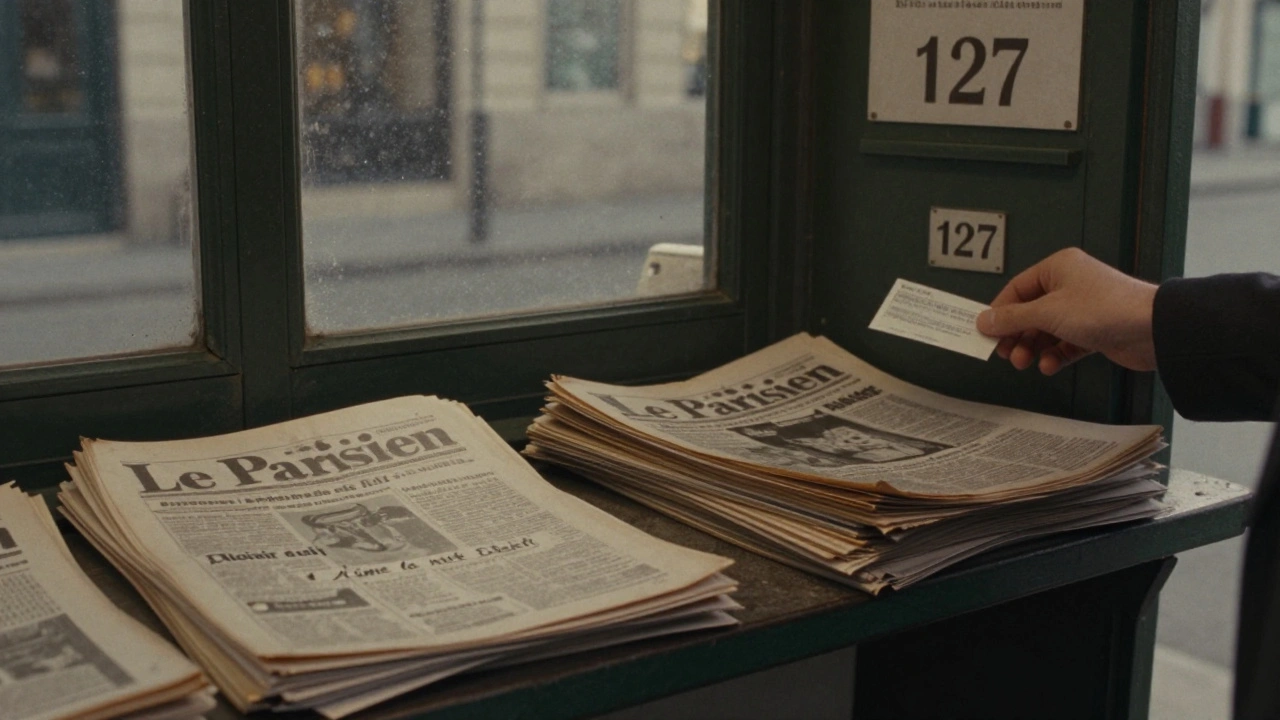
In the 1980s and 90s, Parisians looking for casual encounters didn’t open apps-they opened newspapers. The Le Parisien and Libération had classified sections where people placed discreet ads under codes like "Aime la nuit" or "Plaisir discret." These weren’t just for romance; they were for chemistry, timing, and location. A typical ad might read: "Femme 32, 170cm, dans le 15e, cherche homme sérieux pour soirées sans attentes. Réponse par boîte postale 127."
People would wait days for replies, checking their PO boxes at the Poste Saint-Germain-des-Prés or La Poste de la Gare du Nord. Some even met at the Marché aux Puces de Saint-Ouen on Sundays, where the scent of old books and vintage perfume mixed with the nervous energy of first encounters. There was no instant gratification-just patience, and a little bit of mystery.
It wasn’t just about sex. It was about finding someone who understood the Parisian rhythm: late dinners, long walks along the Seine, and the unspoken rule that you don’t ask too many questions. The anonymity was part of the appeal.
The Rise of the Internet and Early Online Platforms
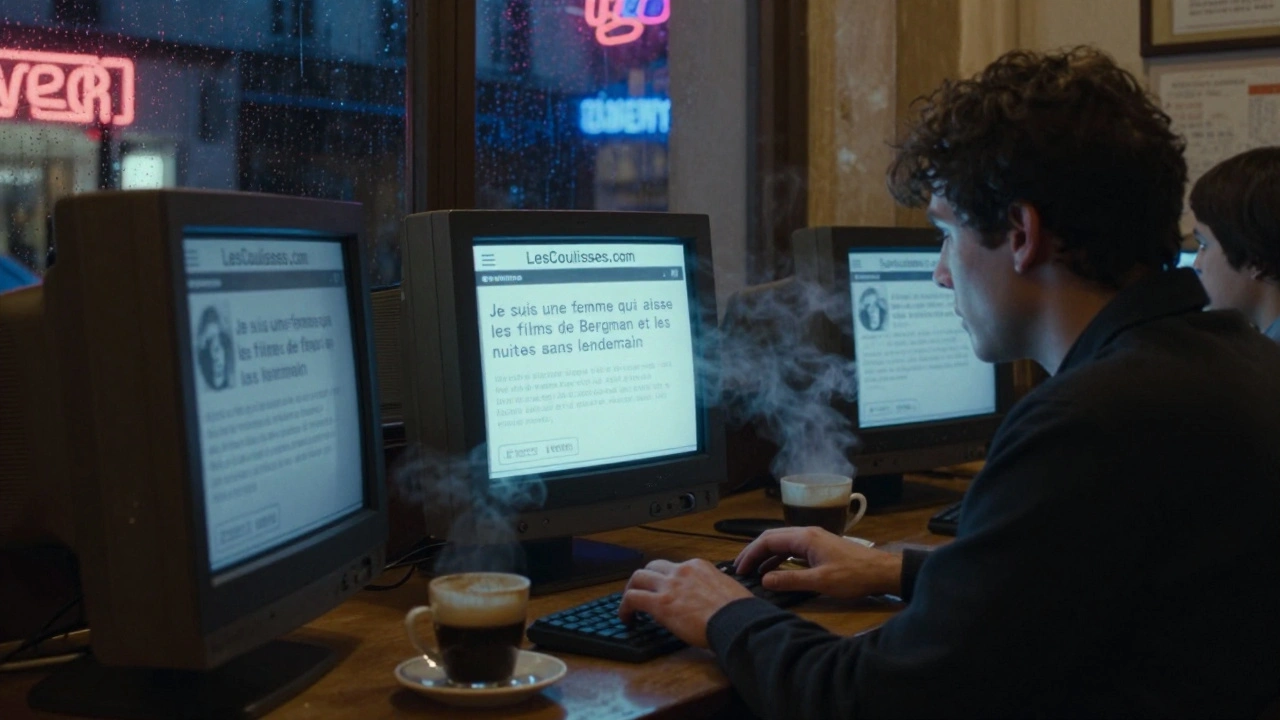
By the early 2000s, things started shifting. Websites like Meetic and Parship entered the French market, but they were designed for serious relationships. For those seeking something less formal, forums like LesCoulisses.com and ClubKiss.com became underground hubs. These weren’t polished apps-they were clunky, text-heavy, and mostly used by expats and locals who didn’t want to be seen in a bar.
Parisians would log in from cybercafés near Place de la République or from their apartments in the 13th arrondissement, typing out long profiles in broken English or overly poetic French. "Je suis une femme qui aime les films de Bergman et les nuits sans lendemain," one user wrote. The tone was literary, even when the intent was physical.
There was no geolocation. No photos. No instant matching. You had to trust the words-and the risk was high. Scams were common. Fake profiles. People showing up with partners. Others never showed at all. But for those who found each other, the connection felt earned.
Apps Changed Everything: Tinder, Bumble, and the New Parisian Code
By 2015, Tinder arrived in Paris like a new wave. Suddenly, you didn’t need a PO box-you needed Wi-Fi. The app exploded in neighborhoods like Le Marais, Belleville, and the Latin Quarter. Young professionals, students from the Sorbonne, and even retirees began swiping during lunch breaks at Le Comptoir du Relais or while sipping espresso at Café de Flore.
Unlike in the U.S., where profiles often listed hobbies and job titles, Parisian users kept it minimal. A photo of a hand holding a croissant. A pic of the Eiffel Tower at dusk. A single line: "Je préfère les discussions aux discours." No mention of "looking for sex"-it was implied.
French dating apps developed their own unspoken rules. You didn’t message right away. You waited. You let the silence build. If someone replied within 24 hours, it was a good sign. If they didn’t, you moved on. There was a quiet dignity to it.
Apps like Bumble gave women control, and in Paris, that mattered. Women started setting boundaries: "Pas de message avant 8 PM." "Pas de selfies en salle de bain." "Je ne vais pas chez toi le premier jour." These weren’t seen as cold-they were seen as smart.
Local Platforms and French Alternatives
Not everyone wanted to use global apps. In response, French startups built platforms that felt more local. Jade, launched in 2018, became popular among women in Lyon, Marseille, and Paris who wanted to avoid the male-dominated vibe of Tinder. It focused on mutual interests-books, jazz clubs in Saint-Germain, vintage markets in Montmartre-and made it easier to filter for "casual" or "no strings."
Then there’s Plum, a Paris-based app that launched in 2021 with a twist: users had to answer one question before swiping. "Quel est ton plus grand désir ce soir?" (What’s your biggest desire tonight?) Responses ranged from "un verre de vin et une conversation" to "une nuit sans parler." The app didn’t just match people-it filtered for emotional alignment.
Even Grindr adapted for Paris. In 2023, it added filters for "Parisien authentique" and "ne parle que français." It wasn’t about exclusion-it was about connection. Many users said they felt more comfortable with someone who understood the rhythm of Paris: the way the city sleeps after midnight, the quiet of a Sunday morning in the 14th, the way the light hits the Seine at 6:47 PM in October.
The Cultural Shift: From Secrecy to Openness
Paris has always had a complex relationship with sexuality. The city celebrated erotic art in the 1920s, banned nudism in the 1950s, and became a hub for sexual liberation in the 1970s. Today, younger generations-especially those under 35-are more open about casual dating than ever before.
It’s not just about apps. It’s about attitude. You’ll hear it at La Bellevilloise on a Friday night, or in the back of a taxi vert after midnight: "Je ne cherche pas un copain. Je cherche une bonne soirée." That’s not rejection-it’s clarity.
Even traditional institutions have adapted. The Centre de Planification et d’Éducation Sexuelle in the 10th arrondissement now runs workshops on "healthy casual relationships" and "digital consent." The city’s public health department even partnered with Plum and Jade to promote safe sex messaging directly in-app.
What’s Next? AI, Privacy, and the Future of Parisian Connection
By 2026, AI is shaping how Parisians connect. Apps now use machine learning to suggest matches based on your music taste, your favorite boulangerie, or the time you usually leave work. One app, Écho, even analyzes your typing speed and word choice to gauge emotional availability.
But privacy is a bigger concern than ever. After the 2024 data leak from a popular dating app, Parisians became more cautious. Many now use burner phones, encrypted messaging apps like Signal, and meet in public places like Parc des Buttes-Chaumont or the gardens of Luxembourg for first encounters.
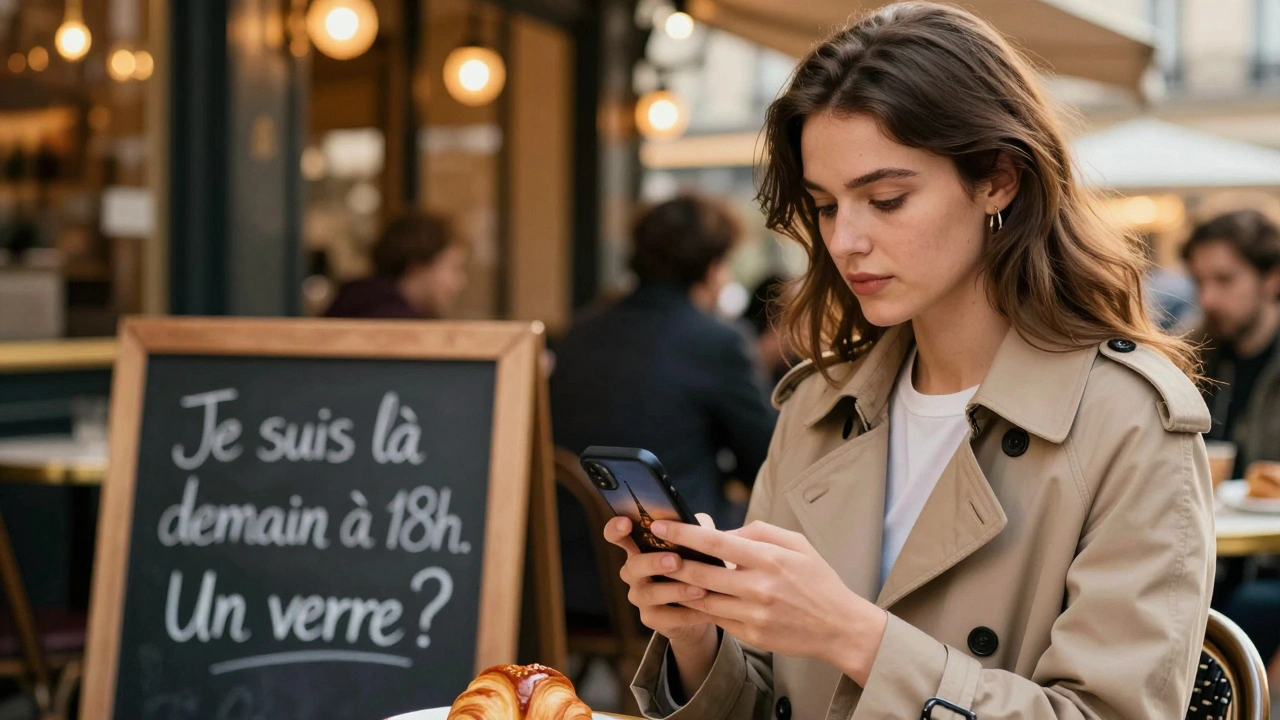
There’s also a quiet backlash. Some Parisians are returning to analog methods. You’ll find handwritten notes tucked into books at Shakespeare and Company. Others leave messages on the chalkboard at Le Comptoir Général: "Je suis là demain à 18h. Un verre?"
It’s not nostalgia-it’s intention. In a world of algorithms, some still believe the best connections happen when you’re not being watched.
Practical Tips for Navigating Modern Parisian Dating
- Use local apps first. Try Jade or Plum before Tinder-they’re more aligned with French norms.
- Don’t rush. A French person might wait 48 hours to reply. It’s not rejection-it’s rhythm.
- Meet in public. First dates in Paris are often at cafés like Le Procope or La Caféothèque. Avoid going to someone’s place too soon.
- Learn the code. "Je suis libre ce soir" doesn’t always mean "I’m single." It often means "I’m open to company."
- Respect silence. If someone doesn’t text back, don’t chase. It’s not personal-it’s Parisian.
The evolution of sex dating in Paris isn’t just about technology. It’s about how a city that once whispered its desires through newspaper ads now speaks them through screens-while still holding onto its soul.
Is it safe to use dating apps in Paris?
Yes, but with caution. Paris has a low rate of violent crime related to dating apps, but scams and catfishing do happen. Always meet in public places like parks or cafés, avoid sharing your home address early, and use apps with verified profiles like Jade or Plum. The city’s public health services also offer free safety guides through their website.
What’s the difference between French and American dating apps?
French apps prioritize subtlety over boldness. Profiles are often minimal-few photos, no job titles, no lists of hobbies. French users wait to message, don’t expect instant replies, and value emotional tone over physical appearance. Apps like Plum ask deep questions before matching, while American apps like Tinder focus on quick visual swipes. The pace is slower, and the expectations are quieter.
Are there age-specific dating apps in Paris?
Yes. Apps like Jade have strong user bases among women aged 25-40, while older users (45+) often use Meetic’s "Plaisirs" section, which caters to casual and non-serious connections. There’s also a growing niche for users over 50 on platforms like SeniorsLove, which launched in 2023 and now has over 120,000 users in France, with 30% based in Paris.
Do French people still use classified ads for dating?
Rarely, but not gone. A small but loyal group-mostly artists, writers, and expats-still place ads in Le Parisien’s weekend section or on niche forums like LesCoulisses.com. Some even leave notes in books at Shakespeare and Company. It’s a romantic gesture now, not a practical one. But it still happens.
What’s the best neighborhood in Paris to meet people casually?
Le Marais is the top spot for casual connections-it’s central, LGBTQ+-friendly, and packed with cafés and bars where people linger. Belleville and the 13th arrondissement are also popular, especially among younger professionals and expats. For a quieter vibe, try the Jardin du Luxembourg on a Sunday afternoon. People sit, read, and sometimes strike up conversations. It’s not about the place-it’s about the mood.