
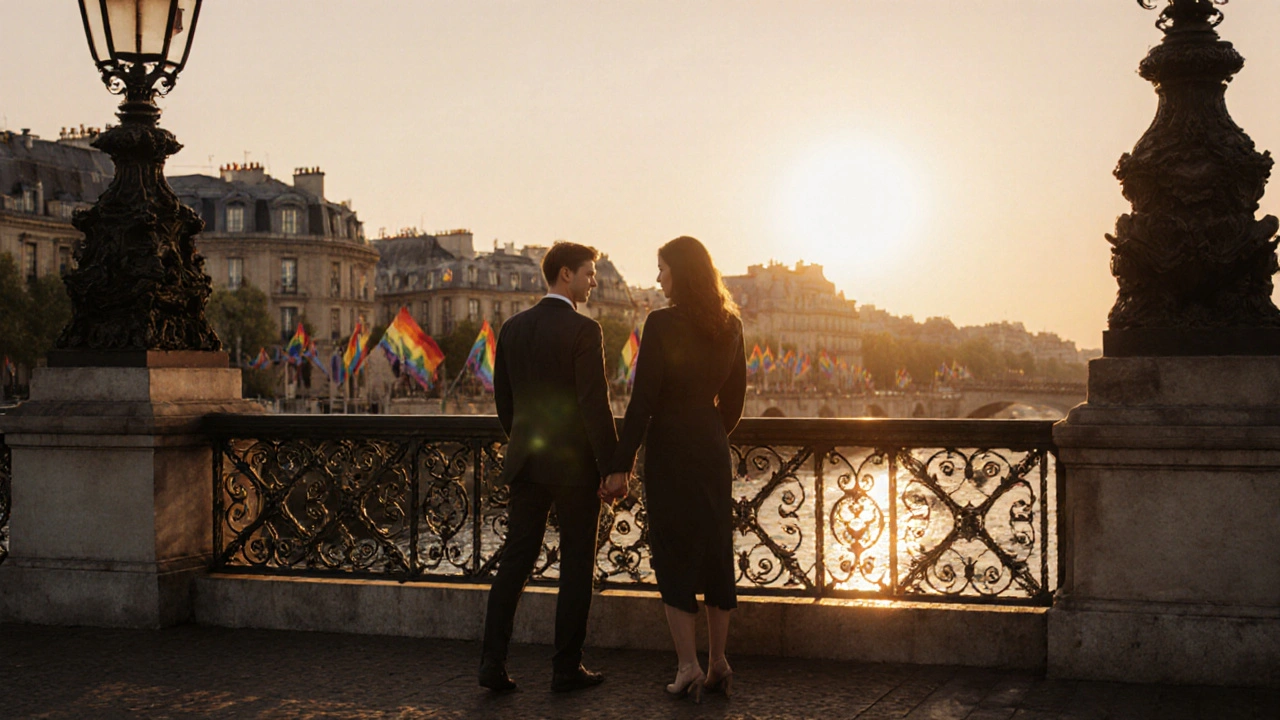
In Paris, walking along the Seine at sunset, you might pass a couple holding hands under the arches of Pont Alexandre III - no one bats an eye. But just a few blocks away, in a quiet apartment in the 18th arrondissement, a teenager is still afraid to come out to their parents. This is the quiet duality of LGBTQ+ life in France’s capital: visible, celebrated, yet still burdened by silent struggles. While Paris hosts one of Europe’s largest Pride parades and boasts rainbow-lit metro stations during June, real acceptance doesn’t always match the postcards.
Paris Is a Symbol - But Not a Sanctuary
Paris has long been a beacon for LGBTQ+ people. From the literary salons of the 1920s where Colette and Gertrude Stein lived openly, to the underground clubs of Le Marais in the 1980s that became safe havens during the AIDS crisis, the city has shaped queer culture in Europe. Today, Le Marais is still the heart of Paris’s gay scene, with bars like Le Sympho, La Poubelle, and Le Depot drawing crowds nightly. The Paris Pride march draws over 100,000 people each June, and rainbow flags fly from city halls, including the Hôtel de Ville.But symbols don’t erase prejudice. A 2024 survey by the French LGBTQ+ association SOS Homophobie found that 42% of LGBTQ+ respondents in Île-de-France had experienced verbal harassment in the past year - and 1 in 5 reported physical violence. These aren’t rare incidents. They happen near Gare du Nord, on the metro between Saint-Michel and Châtelet, even in broad daylight in Montmartre. The city’s reputation for tolerance doesn’t protect people from daily microaggressions or family rejection.
Legal Rights vs. Social Reality
France passed same-sex marriage in 2013, making it one of the first major European countries to do so. Adoption rights, IVF access for lesbian couples, and gender recognition without surgery followed. On paper, France is ahead of many nations. But legal progress doesn’t automatically mean social acceptance.In Parisian schools, teachers still lack mandatory training on LGBTQ+ inclusion. A 2023 report from the Education Nationale showed that 68% of LGBTQ+ students in Parisian high schools felt unsupported by staff. At Lycée Henri-IV or Lycée Louis-le-Grand, students often hide their identities to avoid bullying. Meanwhile, in working-class neighborhoods like Saint-Denis or Bobigny, conservative views still dominate. One 22-year-old trans woman from the 93 department told me she couldn’t bring her partner to her family’s Sunday lunch in Aubervilliers - not because of hate, but because her grandmother didn’t understand.
Even in progressive spaces, there’s a gap. At La Bellevilloise or La Cigale, you’ll see mixed crowds dancing to queer DJs. But behind the music, many queer people still feel like guests, not hosts. The nightlife scene is dominated by cis gay men. Trans women, non-binary people, and queer people of color often find themselves excluded from the very spaces meant to celebrate them.
Where to Find Real Community
If you’re looking for more than rainbow decorations, Paris has deep, grassroots networks that offer real support.- Le Refuge - The country’s first shelter for LGBTQ+ youth expelled by their families. Located in the 10th arrondissement, they offer housing, legal aid, and therapy. Over 2,000 young people stayed there in 2024.
- TransAvenir - A Paris-based group providing peer support, hormone access guidance, and advocacy. They host weekly meetups at the Centre LGBT Paris-Île-de-France on Rue du Faubourg Saint-Antoine.
- Lesbians in Paris - A monthly gathering started in 2019 that now draws 150+ women and non-binary people to cafés like Café de Flore or La Maison Rose in Montmartre.
- Les Mots et les Actes - A bookstore and cultural space in the 11th arrondissement focused on queer literature, hosting readings by authors like Paul B. Preciado and Delphine Horvilleur.
These aren’t tourist spots. They’re lifelines. And they’re often run by volunteers who’ve survived the same struggles they’re now helping others through.
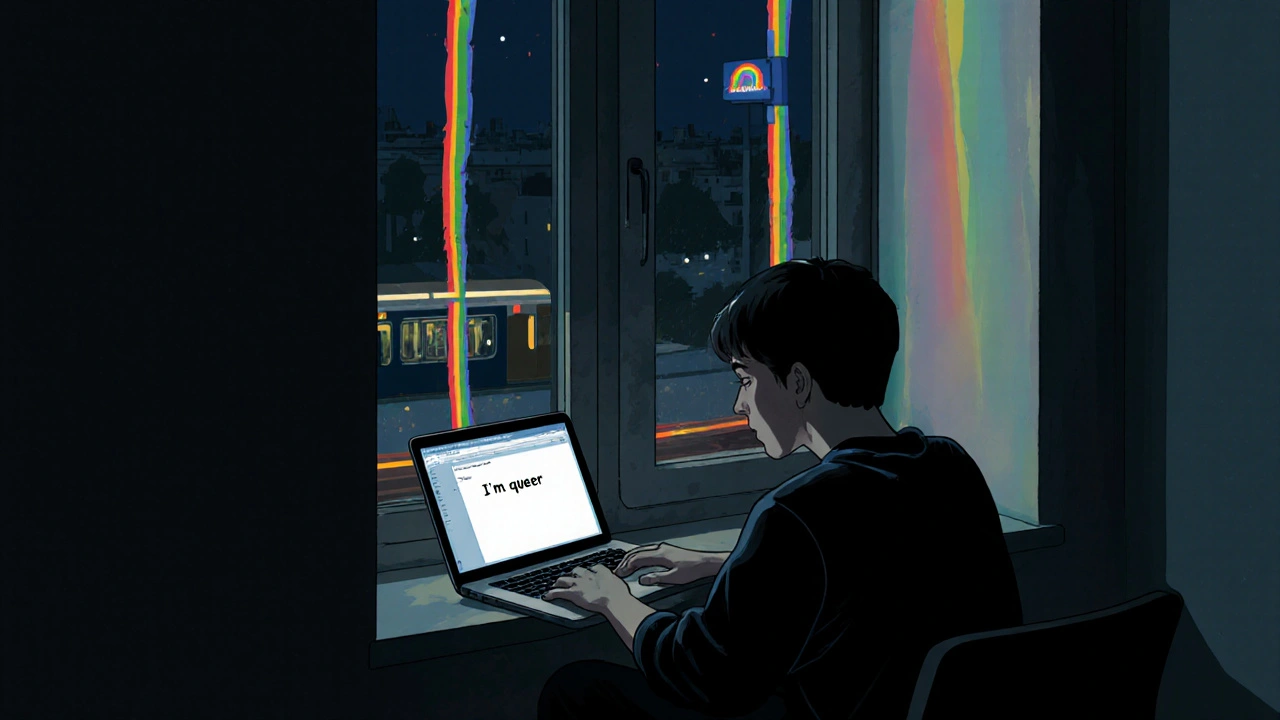
Barriers Still Standing
One of the biggest challenges isn’t legal - it’s silence. Many LGBTQ+ people in Paris, especially older generations, grew up under a culture of discretion. The French ideal of "la discrétion" - privacy, restraint - was once a survival tactic. Now, it keeps people isolated.Immigrant communities face compounded pressure. In neighborhoods like Goutte d’Or or Belleville, where North African and Sub-Saharan communities are strong, homophobia is often tied to religious or cultural norms. A 2024 study by La Ligue des Droits de l’Homme found that 58% of LGBTQ+ people of immigrant backgrounds in Paris felt they had to choose between their identity and their community.
Workplaces aren’t always safer. At major Parisian firms like L’Oréal, LVMH, or BNP Paribas, diversity policies look good on paper. But employees report that coming out can stall promotions. One queer marketing director at a top agency told me she only disclosed her relationship after getting tenure - and even then, she used her partner’s initials in emails to avoid questions.
What’s Changing - And How
Change is happening, but it’s slow, grassroots, and often quiet.Paris schools are slowly rolling out LGBTQ+ inclusion modules, thanks to pressure from student groups like Jeunesse LGBT. The city now funds "Femmes, Hommes, Toutes et Tous" workshops in public libraries, teaching consent, gender identity, and allyship.
Queer artists are reclaiming space. At the Centre Pompidou, the 2025 exhibition "Corps et Identités" featured works by trans and non-binary French artists. In the 13th arrondissement, the Théâtre de la Cité Internationale hosts monthly queer theater nights - sometimes in French, sometimes in Arabic or Wolof, blending cultures and identities.
And then there’s the digital shift. Apps like Grindr and Her are no longer just dating tools. They’re organizing networks. A group of queer refugees in the 19th arrondissement used a WhatsApp group to find housing, language tutors, and legal help after arriving from Syria and Cameroon.
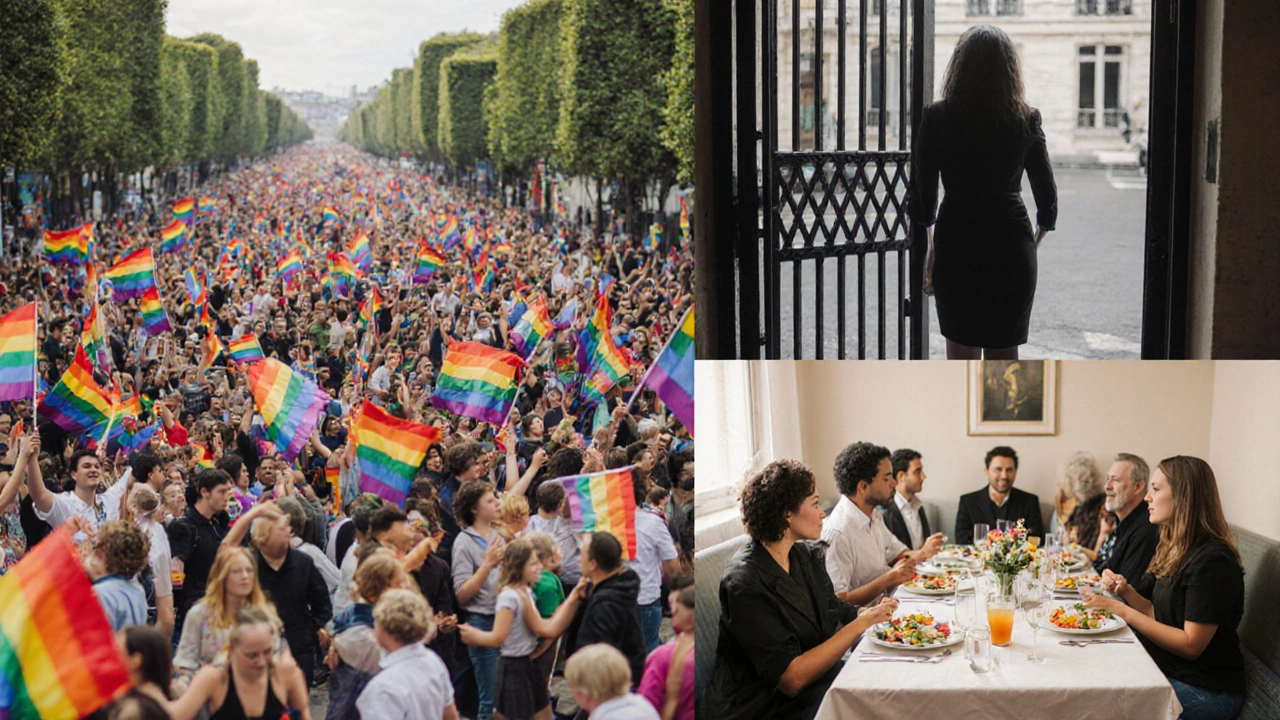
What You Can Do - In Paris, Today
If you live in Paris, you don’t need to march to make a difference. Small actions matter:- Use correct pronouns - even if you’re unsure, ask. "What are your pronouns?" is no longer a radical question here.
- Support queer-owned businesses: La Petite Maison (a queer-owned café in the 11th), Le Petit Château (a trans-run bakery in Montparnasse), or Les Têtes de L’Art (a queer art gallery in the 10th).
- Volunteer at Le Refuge or donate to TransAvenir. They’re always short on winter coats and therapy vouchers.
- Call out homophobia - even in jokes. "That’s not funny," not "You didn’t mean it."
- Take your kids to a Pride event. Not just for the floats - for the message: "This is normal."
Paris doesn’t need to be perfect. It just needs to keep showing up - for its queer residents, its students, its immigrants, its elders who still fear being alone.
Why This Matters Beyond Paris
France is often held up as a model of secularism and equality. But LGBTQ+ rights aren’t guaranteed by laws alone. They’re built in kitchens, classrooms, metro rides, and quiet conversations. Paris is where global ideas meet local resistance - and where change, when it comes, is messy, human, and deeply personal.If you’re here - whether you’re born in the 15th or just moved here last month - your presence matters. You don’t have to be loud. You just have to be there. And sometimes, that’s enough.
Is it safe to be openly LGBTQ+ in Paris?
Paris is generally safe for LGBTQ+ people, especially in central areas like Le Marais, Belleville, and the 11th arrondissement. Public displays of affection are rarely met with hostility in these neighborhoods. However, incidents of verbal harassment and violence still occur, particularly in outer suburbs like Saint-Denis or Bobigny, and among immigrant communities. The city’s police have a dedicated LGBTQ+ liaison unit, and SOS Homophobie offers a 24/7 hotline for reporting incidents.
Where can LGBTQ+ people find support in Paris?
Key resources include Le Refuge (for youth), TransAvenir (for trans and non-binary people), and the Centre LGBT Paris-Île-de-France, which offers counseling, legal help, and social events. The city also funds free workshops on gender identity and inclusion through public libraries. Online, the Facebook group "LGBTQ+ Paris Support Network" has over 12,000 members offering peer advice.
Are French schools inclusive of LGBTQ+ students?
Progress is uneven. While some Parisian schools have implemented LGBTQ+ inclusion programs, many teachers lack training. A 2023 Education Nationale survey found that only 32% of high schools had formal policies protecting LGBTQ+ students. Student-led groups like Jeunesse LGBT are pushing for mandatory training and inclusive curricula, but change is slow. Parents and allies can request resources from the city’s education department or partner with local NGOs.
Can same-sex couples adopt in France?
Yes. Since the 2013 marriage equality law, same-sex couples have full adoption rights in France, including stepchild adoption and joint adoption. The process is identical to that for heterosexual couples: a dossier, home visits, and approval from the departmental child welfare service (Aide Sociale à l’Enfance). No discrimination based on sexual orientation is legally permitted, though some social workers may hold personal biases. Legal aid is available through organizations like Inter-LGBT.
Is Paris Pride the biggest in Europe?
Paris Pride is among the largest in Europe, drawing over 100,000 participants annually. While Madrid and London sometimes draw larger crowds, Paris stands out for its political history and cultural visibility. It’s the only major Pride in Europe that still includes a march from Place de la République to Place de la Nation - a route chosen deliberately to pass through historically working-class and immigrant neighborhoods, making the event more inclusive by design.
Are there LGBTQ+ friendly healthcare providers in Paris?
Yes. Clinics like La Maison des Femmes in the 19th arrondissement offer trans-inclusive care, including hormone therapy and mental health support. The Centre Hospitalier Sainte-Anne has a dedicated LGBTQ+ mental health unit. Private providers like Dr. Amélie Lefebvre (a trans-affirming gynecologist) and Dr. Karim El-Masri (a specialist in queer sexual health) are highly recommended. Most public hospitals follow national guidelines, but private clinics often offer more personalized care.